If you have seen recent headlines about a possible EU fluoride ban and wondered whether to change your child's toothpaste, you are not alone. Here is what is happening, what it means for a small child at the bathroom sink tonight, and what your options look like.
What the EU is actually reviewing
According to The Nordic Times, a proposal to restrict fluoride in consumer products, including toothpaste, was submitted to the European Chemicals Agency (ECHA) in late 2025. ECHA's scientific committees are reviewing it, and an opinion is expected during 2026. After that, the European Commission decides whether to act, and any restriction would be phased in over years, not weeks.
So nothing has been banned. Fluoride toothpaste is still sold, still recommended by most national dental associations, and still on the shelf. What has changed is that regulators are taking a serious second look at how much fluoride young children are actually swallowing from toothpaste, drinking water, and food combined.
Why the concern centres on young children
The worry regulators are examining is dental fluorosis. It happens when a child takes in too much fluoride during the years the adult teeth are forming under the gums, roughly from birth to about age eight. In mild cases it looks like faint white flecks or streaks on the permanent teeth. In more advanced cases the enamel can pit or brown.
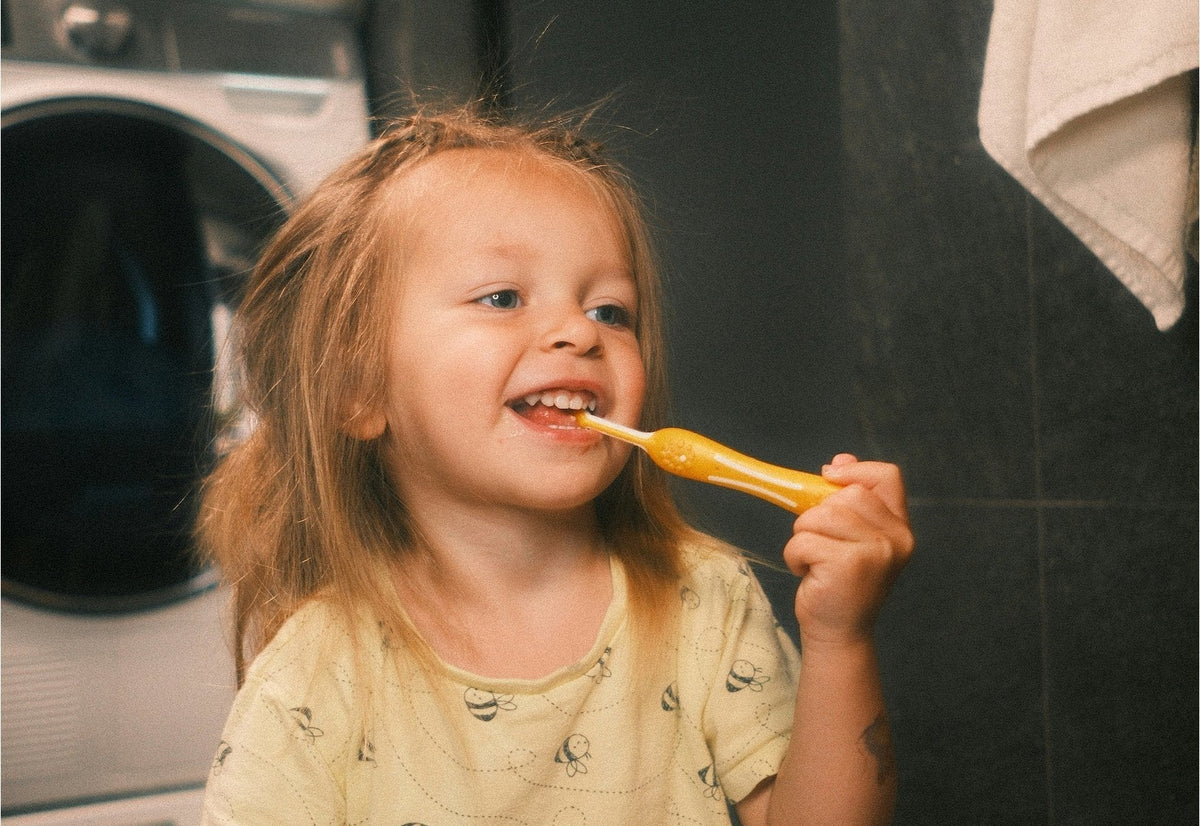
Mild fluorosis is largely cosmetic. It is also common in countries with fluoridated water. The reason paediatric dentists have spent years telling parents to use a rice-grain smear for under-threes and a pea-sized amount after that is exactly this: small children cannot reliably spit, so most of what goes on the brush ends up swallowed. A 60 g tube of adult-strength toothpaste eaten by a toddler is a poison control call. That is the backdrop to the current review.
Where hydroxyapatite fits in
Hydroxyapatite is the mineral your teeth and bones are already made of, in the region of 97% of enamel by weight. Synthetic hydroxyapatite in toothpaste is designed to do a similar job to fluoride, remineralising early damage and filling in microscopic surface defects, but through a different mechanism. Fluoride works by forming a harder, more acid-resistant compound (fluorapatite) on the tooth surface. Hydroxyapatite works by depositing the same material the tooth is built from directly onto weak spots.
A 2023 review published in the International Journal of Molecular Sciences (available via PubMed Central) looked at the evidence on hydroxyapatite in oral care and concluded it is a credible remineralising agent, with a growing body of clinical work supporting its use as a fluoride alternative, particularly in paediatric dentistry.
Hydroxyapatite is not toxic if swallowed in the small amounts found on a toothbrush. It is the same material the body already uses to build teeth and bone. That is the single reason many parents of under-threes look at it in the first place.
What this means for your bathroom shelf
If your child is over three, can spit, and uses a pea-sized amount of a fluoride toothpaste appropriate for their age, current dental guidance across the Nordics and Baltics still supports that. The ECHA review is not a reason to panic-switch.
If your child is under three, or is a determined swallower, or you want to reduce the total fluoride your family is taking in from water and food combined, a hydroxyapatite toothpaste is a reasonable, evidence-supported alternative. This is also the group the EU review is most focused on.
If you want to wait and see what ECHA concludes in 2026 before changing anything, that is also fine. Restrictions, if they come, will be phased and communicated well in advance.
The hydroxyapatite options we stock
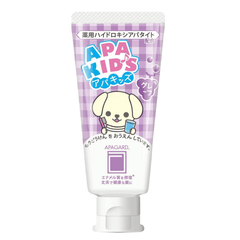
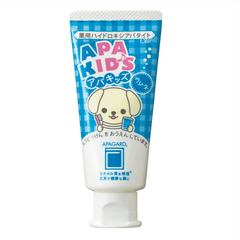
We carry APAGARD's Apa-Kids line from Japan, where hydroxyapatite toothpaste has been in mainstream use for decades. All three are 60 g tubes, fluoride-free, and formulated for children. They differ only in flavour.
APAGARD Apa-Kids Gel Strawberry Toothpaste, 60 g is the gentlest flavour and usually the easiest first switch from a familiar mild toothpaste. APAGARD Apa-Kids Grape Toothpaste, 60 g tends to win with children who already like grape-flavoured medicines or sweets. APAGARD Apa-Kids Ramune Toothpaste, 60 g is a Japanese soda flavour, slightly sweet and citrusy, and often the one that turns brushing from a fight into something the child asks for.
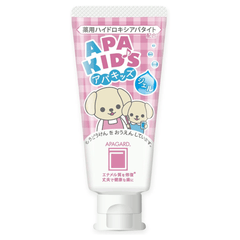
For a child under three, use a rice-grain smear regardless of which paste you choose. Brush twice a day. If you are switching from a fluoride paste, you can alternate for a week or two while your child gets used to the new flavour.
Browse the APAGARD Apa-Kids range at lastenurk.com and pick the flavour your child is most likely to let near their toothbrush.