
There’s something rather lovely about a winter bath. Outside, the sky is already dark, the windows are cold to the touch, and the radiators are working overtime. Inside, the bathroom fills with steam, a favourite toy is waiting by the tub, and a little fizz of colour turns an ordinary evening into something worth looking forward to.
Bath bombs have a way of making the everyday feel a little magical. But winter can be less kind to children’s skin. Cold air outdoors, warm rooms indoors and frequent washing can all contribute to dryness, leaving little arms, cheeks and legs feeling rough or itchy.
So where do bath bombs fit into the picture? And how can parents keep bath time enjoyable without overlooking the needs of delicate skin?
When winter gets under the skin
Skin is rather good at looking after itself. Its outermost layer acts as a protective barrier, helping to keep moisture in and unwanted irritants out. When that barrier becomes less effective, water escapes more easily and skin can start to feel dry, tight or uncomfortable.
Winter can make this harder to manage. Cold weather and low humidity may contribute to moisture loss, while indoor heating can make the air feel even drier. Children with eczema or naturally sensitive skin may notice the effects particularly quickly.
A little extra attention to everyday skincare can help. European dermatology guidance recommends gentle cleansing, avoiding water that’s too hot, and applying moisturisers regularly. These simple habits support the skin barrier without turning bath time into a complicated exercise in skincare science.
The curious case of the bath bomb
Drop a bath bomb into water and the transformation begins. It fizzes, dissolves and releases its colours and fragrance, giving children something to watch while making bath time feel a little less routine.
The appeal is easy to understand. Yet a product designed to make bath water colourful and fragrant isn’t necessarily designed to care for the skin.
Bath bombs vary in their ingredients. Fragrances, essential oils and colourants may irritate some children, particularly those with eczema or an already damaged skin barrier. A product labelled natural isn’t automatically gentler, either. Some naturally derived ingredients can cause irritation or allergic reactions.
For children with healthy skin, an occasional bath bomb may be an enjoyable treat, provided it’s suitable for their age and used as directed. For children with eczema, persistent dryness or irritated skin, a simpler bath is usually the wiser choice.
European guidance on atopic eczema emphasises gentle, non-irritating skincare, and the NHS advises avoiding products that worsen symptoms.
In other words, the fizz is optional. Comfortable skin isn’t.
A few small things that make a difference
A winter bath doesn’t need to be elaborate to feel special. Often, the gentlest routines are the ones that work best.
Keep the water comfortably warm. A long, hot soak may feel wonderful after a cold day, but hot water can aggravate dry skin. Aim for lukewarm water and keep baths relatively short, particularly if your child is prone to irritation.
Be selective about what goes into the tub. Check age recommendations and ingredient lists before trying a new product. Fragrance-free products are generally a better starting point for sensitive skin. If your child has eczema or a current flare-up, avoid experimenting with bath bombs and follow your healthcare professional’s advice.
Treat the towel kindly. Once bath time is over, pat the skin gently rather than rubbing it dry. Vigorous towelling can add unnecessary friction to skin that’s already feeling delicate.
Make moisturising part of the ritual. This is the step worth remembering. Applying a suitable moisturiser shortly after bathing, while the skin is still slightly damp, helps reduce moisture loss. Dermatology guidance recommends regular use of emollients — moisturising products that soften the skin and help support its protective barrier.
The quiet work of a good moisturiser
Moisturisers don’t tend to get the same attention as colourful bath products, but they play a more important role in everyday skin care.
Different formulations suit different needs. Lightweight lotions are easy to spread and convenient for everyday use, while richer creams and ointments are often more effective when skin is particularly dry. There isn’t one perfect product for every child; comfort, tolerance and the condition of the skin all matter.
For families looking for a baby skincare option, ROUND LAB Baby Mild Lotion is one product to consider. Its formula includes ceramides, panthenol and ectoin — ingredients commonly used in skincare to support hydration and the skin barrier.
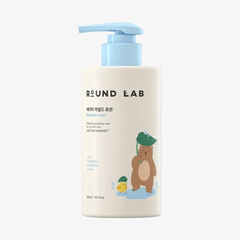
For very dry or eczema-prone skin, a richer, fragrance-free emollient may be more appropriate, so it’s worth choosing according to your child’s needs rather than the texture you happen to prefer.
And if dryness becomes persistent, the skin starts cracking, or itching interferes with sleep, it’s best to seek advice from a healthcare professional rather than relying on cosmetic products alone.
Beyond the bathroom
Winter skincare doesn’t begin and end with bath time. The air inside a heated home, the fabrics against a child’s skin and the products used for everyday washing can all play a part.
Keeping rooms comfortably warm, choosing soft clothing and avoiding heavily fragranced products may help reduce irritation. If the air at home is particularly dry, a properly maintained humidifier may also be worth considering.
None of these changes needs to become another item on an already lengthy parenting to-do list. The aim is simply to notice what seems to make your child’s skin more comfortable and build a routine around it.
Making room for a little magic
Bath time is about more than getting clean. It’s a pause between the busy parts of the day, a chance for a little play and, sometimes, a welcome opportunity to slow everything down before bed.
For children whose skin tolerates them, bath bombs can be a playful occasional addition to that routine. If you’d like to bring a little more colour to the bathroom, explore the Lastenurk.com bath soaks collection, with options to make an ordinary bath feel a little more special.
For children with sensitive or irritated skin, there’s no need to add anything to the water at all. A favourite bath toy, a warm towel and a gentle moisturiser can be quite enough.
The trick isn’t to make every winter bath extraordinary. It’s to find the small rituals that make everyday life feel good, while giving children’s skin the care it needs.